

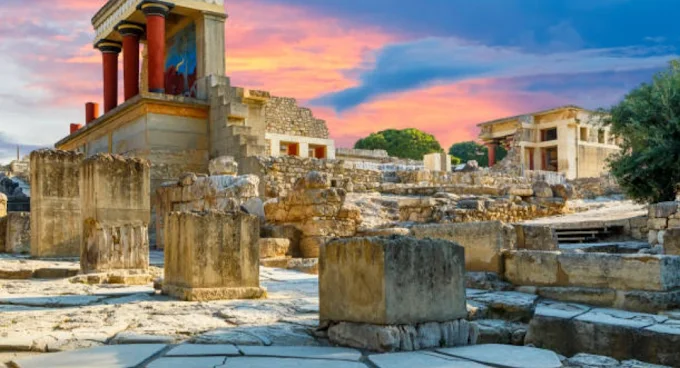
KNOSSOS PALACE . (It is a Must…)
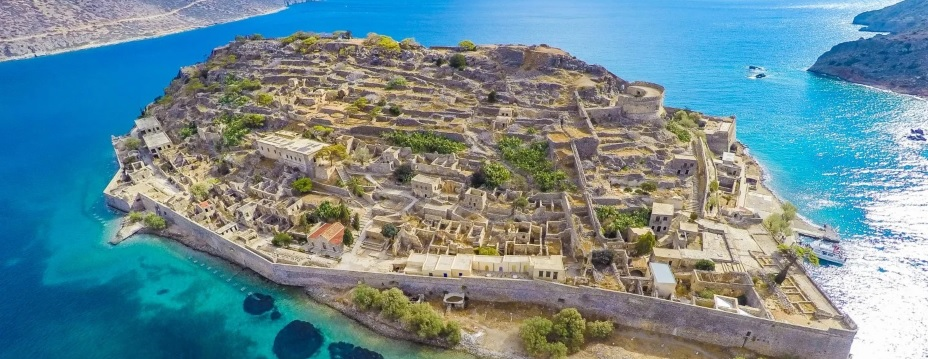
CASTLE ISLAND OF SPINALONGA
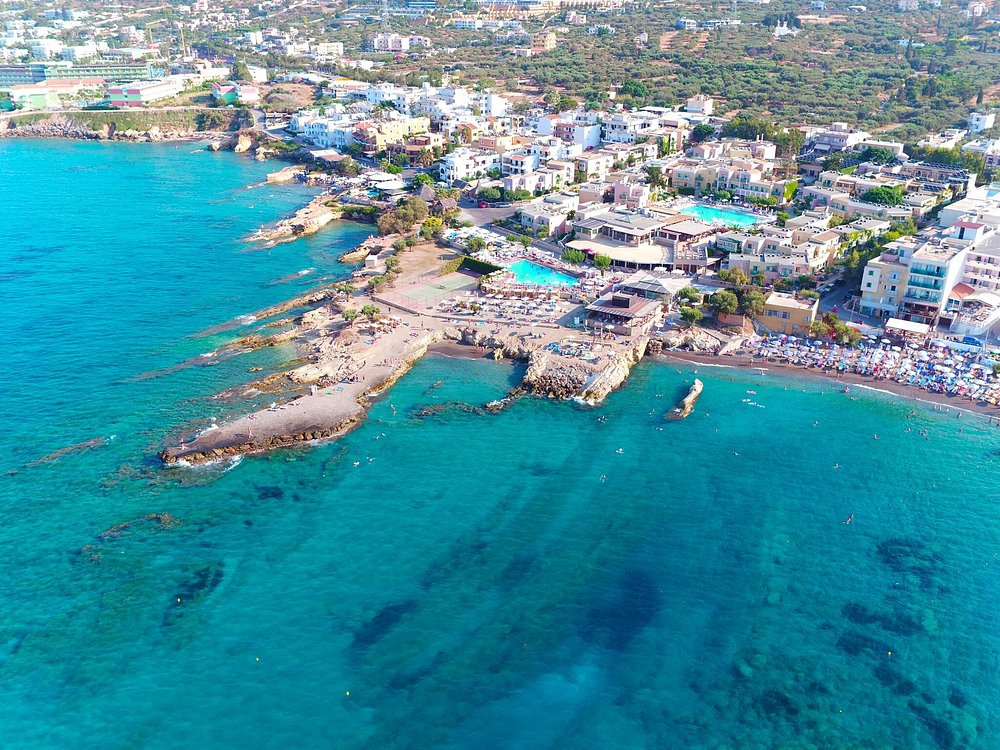
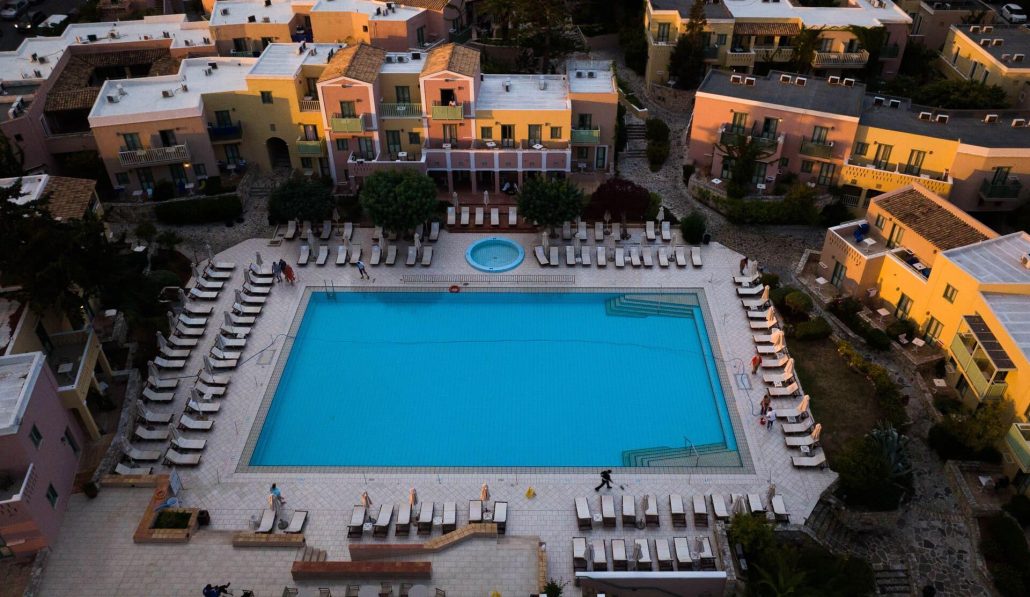
Dyo Aorakia Area, Nea Alikarnassos, Heraklion, Crete, Greece
REGISTRATION IS ONLY POSSIBLE
THROUGH THE PARTICIPATION PACKAGE!
Team registration will start in second half of 2026.
Competition schedule will be posted after the end of the registration period, in autumn 2026.
The Palace of Knossos, located near Heraklion on the island of Crete, is the most important archaeological site of the Minoan civilization, Europe’s oldest advanced civilization. Dating back to around 2000–1400 BCE, the palace is closely associated with the legend of King Minos and the Minotaur.
Knossos was not only a royal residence but also a political, religious, and economic center.
The palace is famous for its complex layout, with hundreds of rooms, corridors, staircases, and courtyards spread over several levels—an arrangement that likely inspired the myth of the Labyrinth.
Advanced architectural features include sophisticated drainage systems, light wells, and storage rooms for oil, wine, and grain.
Visitors can admire the remains of colorful frescoes depicting nature, religious rituals, and everyday life, such as the famous Bull-Leaping fresco.
The site also showcases large pithoi (storage jars), stone columns that taper downward, and ceremonial spaces.
Today, a tour of the Palace of Knossos offers insight into Minoan art, technology, and society, making it one of the most fascinating and historically significant sites in Greece.
(Out local travel agent will be happy to organize this visit for you)
A tour to the island of Spinalonga is a journey through history, culture, and striking natural beauty. Located off the coast of Elounda in Crete, Spinalonga is famous for its dramatic past and its impressive Venetian fortress rising from the sea.
During the boat trip to the island, visitors enjoy beautiful views of the Mirabello Bay and the crystal-clear waters. Upon arrival, you explore the well-preserved Venetian fortifications, narrow stone streets, and old houses that tell the story of the island’s many phases of life. Spinalonga is particularly known as Europe’s last leper colony, which operated until 1957 and walking through the settlement offers a moving insight into the lives of those who once lived there.
The island’s rich history—from ancient times, through Venetian and Ottoman rule, to its role as a leper colony—bringing the site vividly to life.
After the visit, many tours include time for swimming or relaxing in nearby bays, making the experience both educational and enjoyable.
A visit to Spinalonga is an unforgettable experience, combining history, emotion, and stunning scenery—one of Crete’s most remarkable excursions.
(Out local travel agent will be happy to organize this visit for you)
Hellenic Cheerleading Federation: Katerina Stamatiadou – icu.europe.doubles2026@gmail.com
ICU Europe: Tone Sparby – europe@cheerunion.org
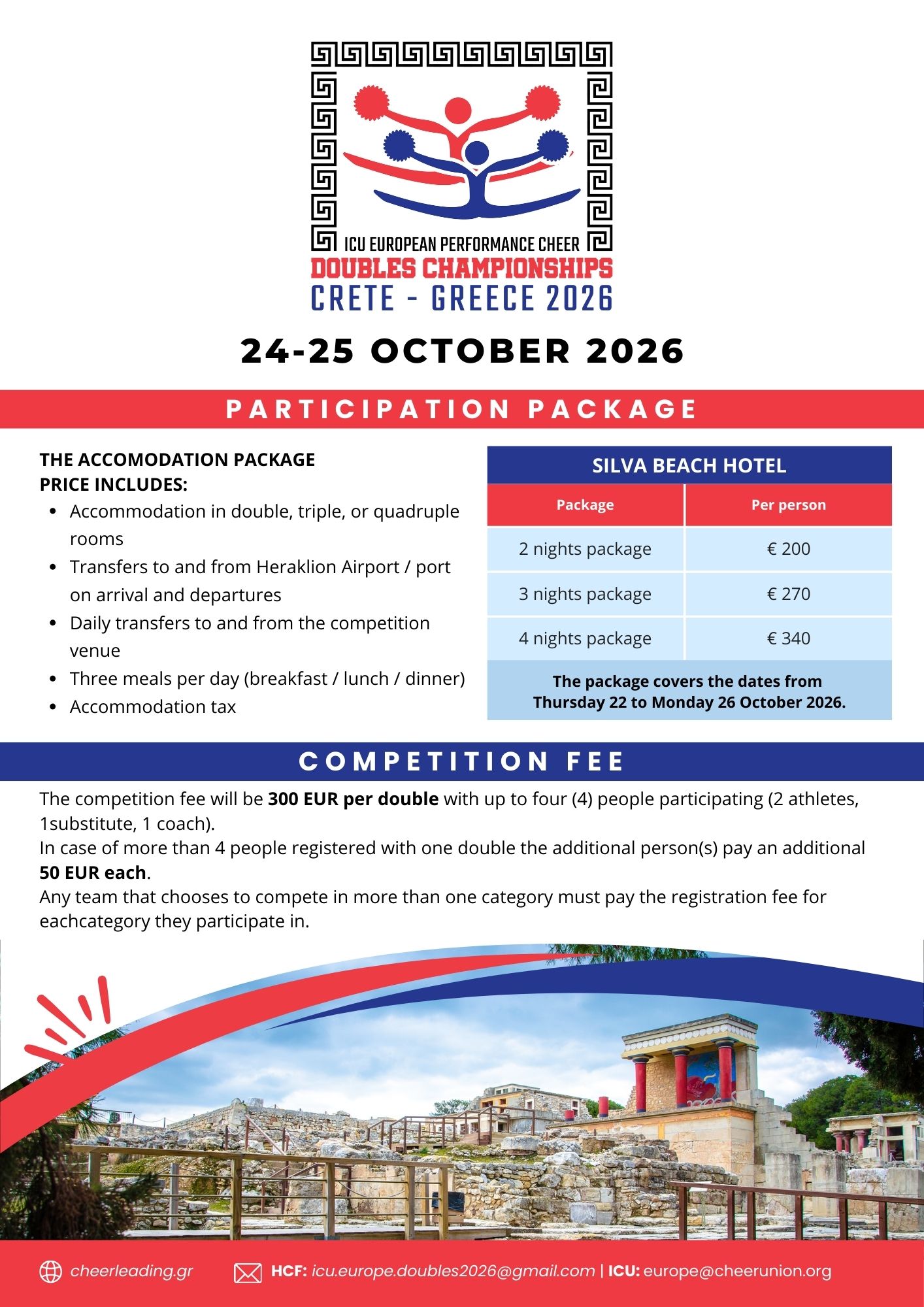
This logo is inspired by the energy, precision, and teamwork that define doubles cheerleading. It captures the essence of two athletes performing together in harmony, emphasizing both the athletic strength and the celebratory spirit of the sport. The design conveys motion and synchronization, creating a sense of excitement that reflects the competitive and performance-based nature of cheerleading at the highest level.
The symbolism of the logo is clear and dynamic. Two stylized human figures are shown in a split-jump position, a move strongly associated with cheerleading and its display of flexibility and athleticism. Each figure holds pom-poms, which are not only iconic elements of the sport but also symbols of spirit, energy, and enthusiasm. Their layered, mirrored composition highlights the partnership and synchronization central to doubles routines, while their extended arms and powerful stances communicate celebration, strength, and unity.
Color also plays a defining role in the identity of the design. Red conveys passion, intensity, and determination, while blue suggests stability, trust, and teamwork. These two contrasting yet complementary colors reflect the balance between individuality and partnership that doubles routines demand. The addition of a white outline enhances clarity and adaptability, ensuring the logo remains bold and recognizable across different backgrounds and applications.
Altogether, this logo succeeds in presenting doubles cheerleading as both athletic and artistic. It is modern, versatile, and symbolic, combining movement, partnership, and spirit into a single, memorable design that can represent the discipline on an international stage.
| Cookie | Duration | Description |
|---|---|---|
| cookielawinfo-checkbox-analytics | 11 months | This cookie is set by GDPR Cookie Consent plugin. The cookie is used to store the user consent for the cookies in the category "Analytics". |
| cookielawinfo-checkbox-functional | 11 months | The cookie is set by GDPR cookie consent to record the user consent for the cookies in the category "Functional". |
| cookielawinfo-checkbox-necessary | 11 months | This cookie is set by GDPR Cookie Consent plugin. The cookies is used to store the user consent for the cookies in the category "Necessary". |
| cookielawinfo-checkbox-others | 11 months | This cookie is set by GDPR Cookie Consent plugin. The cookie is used to store the user consent for the cookies in the category "Other. |
| cookielawinfo-checkbox-performance | 11 months | This cookie is set by GDPR Cookie Consent plugin. The cookie is used to store the user consent for the cookies in the category "Performance". |
| viewed_cookie_policy | 11 months | The cookie is set by the GDPR Cookie Consent plugin and is used to store whether or not user has consented to the use of cookies. It does not store any personal data. |